
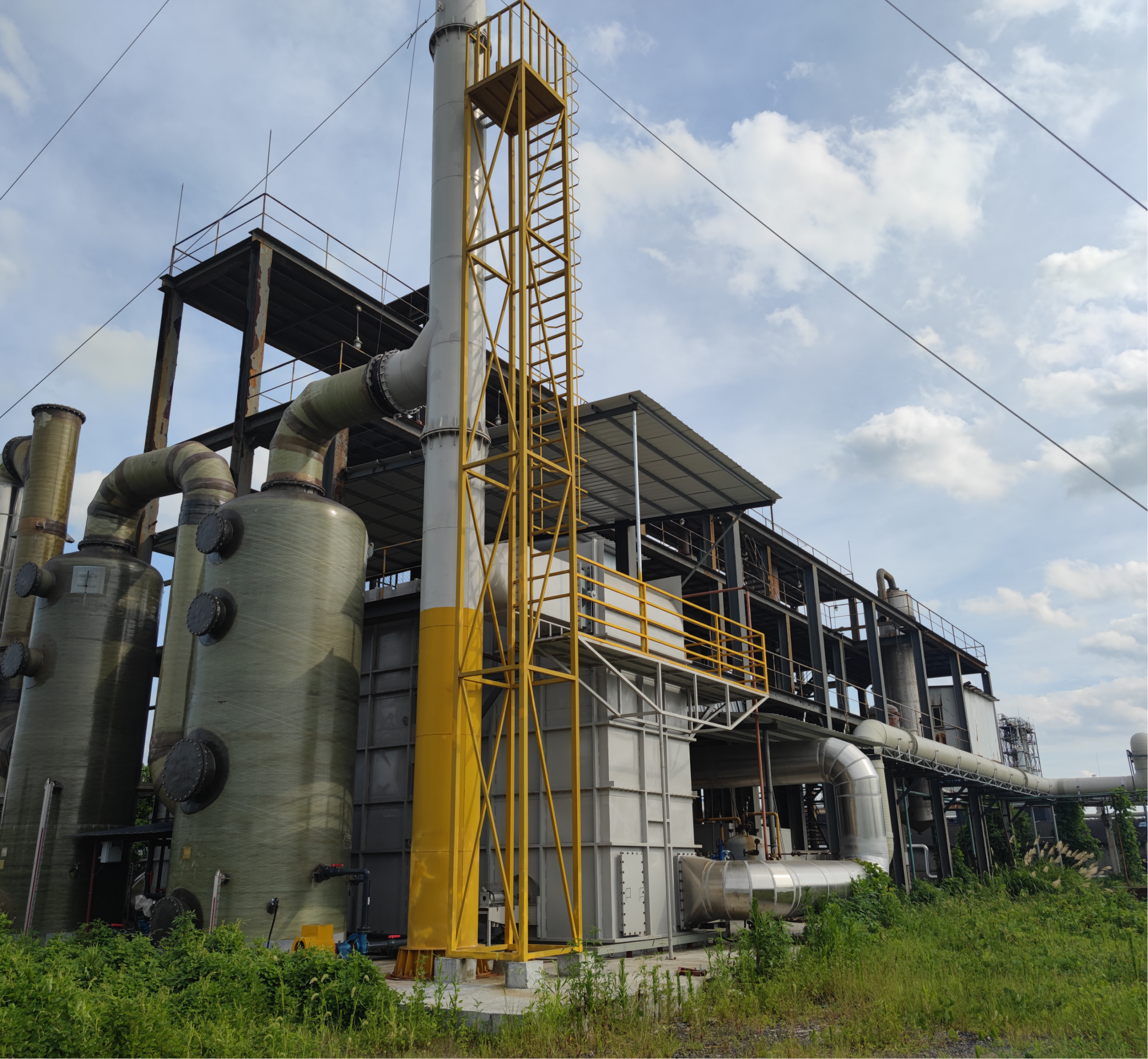
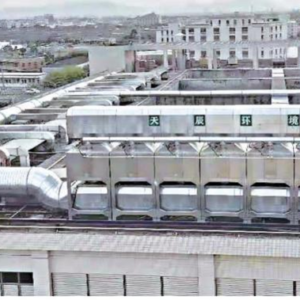
Case: Nanning Evonik Meishi Pharmaceutical Co., Ltd
Exhaust Gas Components
Benzenes:benzene, toluene, xylene (m-xylene, p-xylene, o-xylene), o-dichlorobenzene, dichlorobenzene, aniline, aniline derivatives, p-m-xylene phenol, nitrobenzenes, dichloromethane, chloroform, cyclohexane, etc.
Alcohol class: methanol, ethanol, n-propanol, isopropanol, butanol, ethyl propylene glycol ether, chlorinated propylene glycol, etc. Esters: ethyl acetate, n-propyl acetate, n-propyl acetate, butyl acetate, ethyl acetate, etc.
Ketones: acetone, butanone, methyl isobutyl ketone, etc. Others:DMF, tetrahydrofuran, formaldehyde, tert-butylamine, triethylamine, pyridine, petroleum ether, solvent oil, acetonitrile, etc.
Waste Gas Characteristics:
The waste gas in the pharmaceutical industry mainly originates from processes such as extraction and separation during production steps like extraction and purification, solvent distillation recovery, as well as transportation and storage. The total concentrat- ion of organic compounds in the emitted waste gas is relatively high, reaching up to 100 g/m³ 3 in high-concentration emissions and ranging from 1000-2000 mg/m³ ³ in lower

Reviews
There are no reviews yet.