
Definition of Regenerative Catalytic Oxidation (RCO)
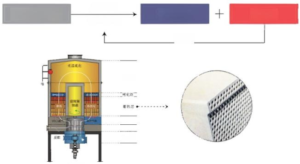
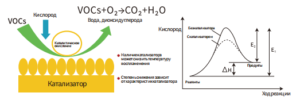
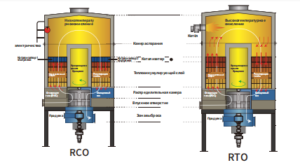
Compared to high-temperature combustion RTO systems, regenerative catalytic oxidation (RCO) equipment represents a more economical solution for low-temperature combustion at 200-400°C. The process begins with preheating introduced VOCs exhaust gases using a calciner, followed by low- temperature oxidation through a catalytic layer. This technology effectively treats organic solvents and odorous organic compounds while preventing direct atmospheric emission of combustion heat. Instead, the generated thermal energy is recovered through heat storage ceramic media for thermal storage or recycling, thereby achieving effective air pollution control.
Features of RCO Regenerative Catalytic Oxidation Equipment
( 1) With low operating costs,the RCO regenerative catalytic combustion system generally eliminates the need for auxiliary heating in the purification unit’s heating chamber when organic exhaust gases reach a certain concentration (above 1000 mg/m ³), thereby reducing expenses.
(2) Does not produce secondary pollutants such as nitrogen oxides (NOX);
(3) Fully automated control with convenient operation and management;
(4) High safety with purification efficiency exceeding 99%;
(5) High heat recovery rate with thermal recovery efficiency ≥95%.
Our case in painting industry:
Geological Printing Factory of Guangxi Autonomous Region
| Field of the factory | Publication printing, packaging and decoration printing, and other printed materials printing |
| components of exhaust gases | Methyl ether acetate of propylene glycol, tetramethylbenzene, DBE solvent (dimethyl ether of heptanoic/pentanoic/butyric acid), methyl ether acetate of glycidyl ethylene glycol, methyl ether of propylene glycol, monobutyl ether of ethylene glycol, methyl acetate of monobutyl ether of ethylene glycol, ethyl acetate, acrylic acid, acrylates, etc. |
| concentration | 500-800 mg/m ³ |
| air volume | 100000m³/h |
| sou rce process | Solvent evaporation during ink mixing, solvent evaporation during printing, drying stage, lamination process, and equipment cleaning process, etc. |
| characteristics | Contains dust and exhibits high viscosity (including lipid substances) |
| technoloty | Pre-treatment + Zeolite rotor + RCO |

Reviews
There are no reviews yet.